
Through the door and into a booth
A Beefeater visit began well before the first forkful. There was the entrance, the bar and the search for your table; then the pleasant business of settling into a room where a meal could take its time. Older restaurants often borrowed the look of an old inn. At St Martin’s Tavern in London, a 1997 review described low beams, rough yellow plaster, a patterned carpet and a market-themed interior. The surroundings were part of the evening, even in a city-centre branch. The Independent ↗
A booth could make a family meal feel like its own small occasion. Lindsey Knight’s 2013 visit to the Stanborough began with a request for one, which the restaurant supplied. Elsewhere the theming was more elaborate. Heald Green had bench seats recalling a railway carriage, complete with a luggage rack above them. It is easy to see why a particular corner or seat could stay in the memory long after the menu had changed. Lindsey Knight, What’s Good To Do ↗ · Manchester Evening News ↗
The rooms did not stay frozen in one decade. The 2009 Beefeater Grill refresh replaced some booths with flexible seating and brought the grill towards the front of the restaurant. A returning customer might find the same favourite meal in a room that felt quite different. The smoky, busy idea of a steakhouse was being made visible in the cooking itself. Morning Advertiser ↗
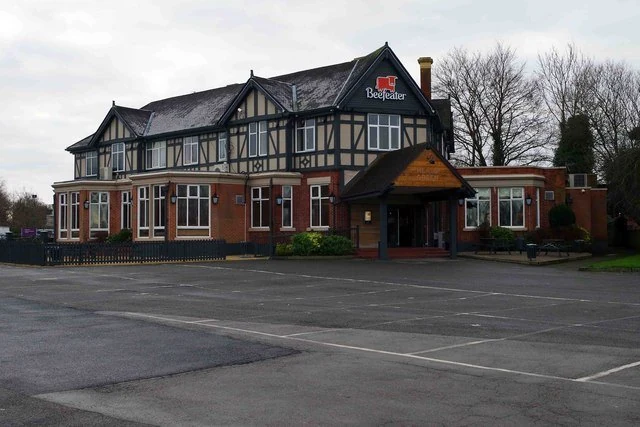
The bar was part of the outing
For some families the pub side and the restaurant side belonged to different stages of growing up. Kavita Favelle remembers childhood meals at the Warden in Luton with her sister and parents, then moving to the pub side as a teenager and having her first pint there. Her father remained a regular who knew the staff by name. Returning after more than twenty years brought back the building’s familiarity alongside the changes made in the meantime. Kavey Eats ↗
Other branches made that division physical. At Coreys Mill in Stevenage in 2012, the bar was downstairs and the family restaurant upstairs. A visit could mean a drink first, followed by the move to the dining room and the slower rhythm of choosing courses. The same building served different sorts of outings: a pub visit, a family meal or dinner for someone staying at the hotel next door. David Savage, What’s Good To Do ↗
Drinks formed part of the treat too. The Stanborough review remembers a Woo Woo cocktail, while the Warden meal included prawn cocktail followed by steak. These were individual choices, not a rule for every table. They show how the experience mixed the reassuringly familiar with something chosen especially because you were eating out. A cocktail glass or a starter you never made at home could be as much a marker of the occasion as the main course. What’s Good To Do ↗ · Kavey Eats ↗
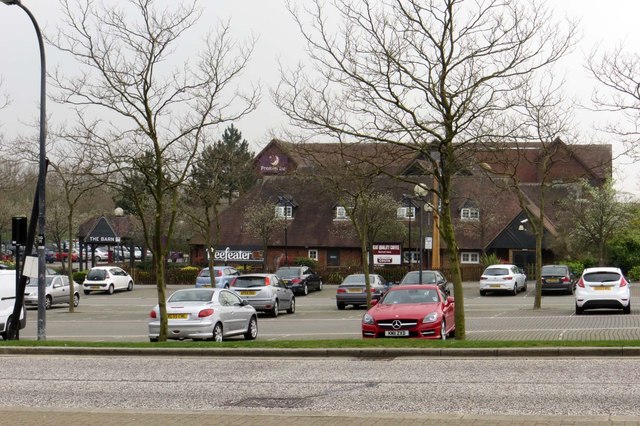
Menus on the table
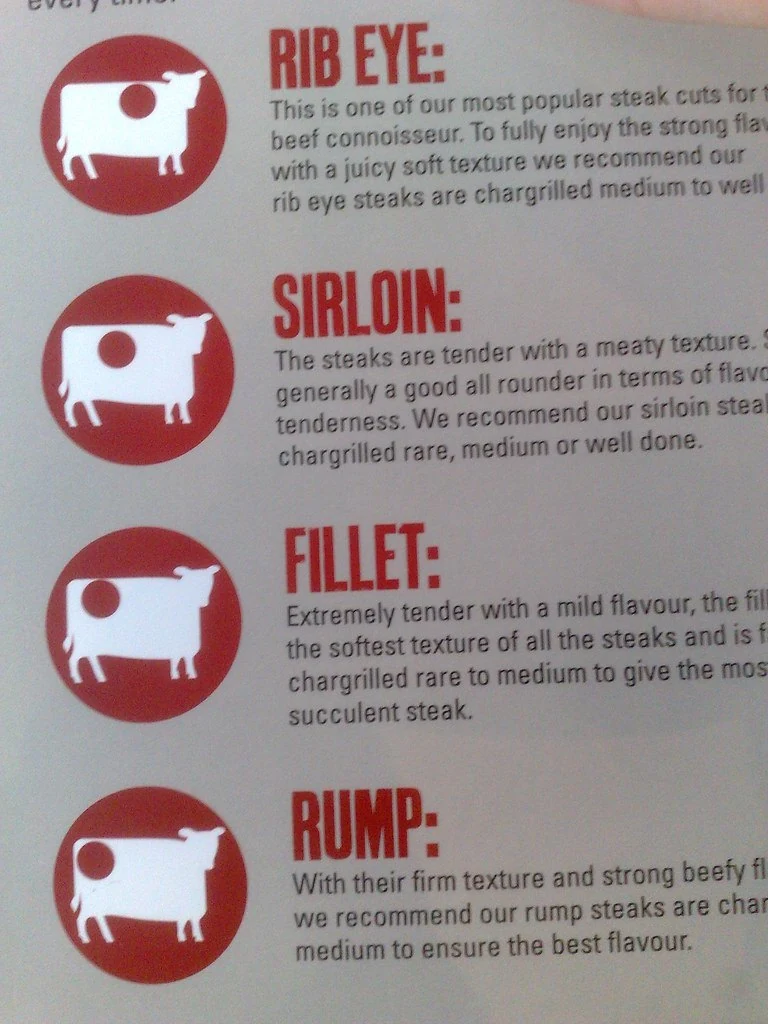
Once the menus arrived, everyone had a decision to make. Steak was the centre of the offer, but the choice around it shifted over the years. At Heald Green in 1993 there were satay, Cajun and Tex-Mex starters, alongside dishes such as chicken Farrago and kebabs. A 1998 visit found Caesar salad, duck à l’orange and a vegetarian mushroom pudding. The traditional steakhouse could make room for fashionable dishes without losing its place as a familiar family restaurant. Manchester Evening News ↗
How you liked your steak could become a family joke. At the Warden, Kavita and her sister ordered theirs medium rare while their father preferred well done and teased them about their choice. Her return meal in 2013 included a 10oz rib-eye at £16.79 and peppercorn sauce at £1.49. The small details of an order help bring back the conversation around the table, not just the number at the bottom of the bill. Kavey Eats ↗
There were bargains to look for as well as favourites to return to. A Longwall review in February 2012 described free repeat orders of chips, alongside an evening value menu served after 6.30pm from Monday to Thursday: £10.99 for two courses or £12.99 for three. Our prices page follows those offers and ordinary menus over the years, keeping the date and the portion beside each price. Oxford Times ↗
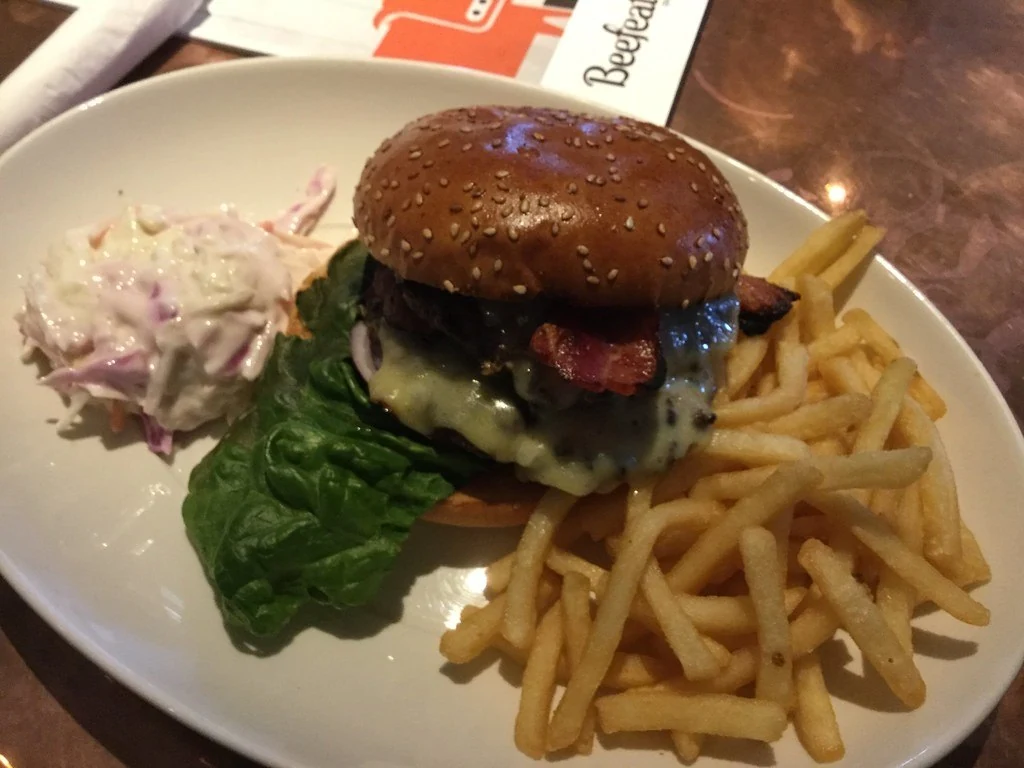
The children had a menu of their own
Children’s meals were part of the visit, not simply smaller helpings from an adult plate. The Bentley Wood Farm opening advert in 1989 offered a three-course Mr Men meal for £1.75, with junior portions also available and the children’s offer running from lunch until 7.30pm. It made a family outing easier to plan: children had their own meal to choose while the adults looked at the main menu. Burnley Express opening advert; see Eating at Beefeater ↗
Waiting time could become colouring time. At Coreys Mill in 2012, games were printed on the back of the children’s menu and crayons were provided. There was even a menu for babies from seven months. By 2015, a Gloucester visit brought Mr Men activity books at two difficulty levels, so children of different ages had something suited to them. Those practical touches are easy to overlook until you remember trying to keep a family happily seated before dinner arrived. What’s Good To Do ↗ · Pinkoddy ↗
The Mr Men and Little Miss connection brought familiar names to the table and small souvenirs to take away. Badges came in different background colours and designs, while later promotions introduced larger Team badges and toys. We describe the badge designs in words on the badge page. The children who wore them home are now part of the audience remembering the restaurants with their own families. Mr Men badge designs ↗
Birthdays and the people who served them
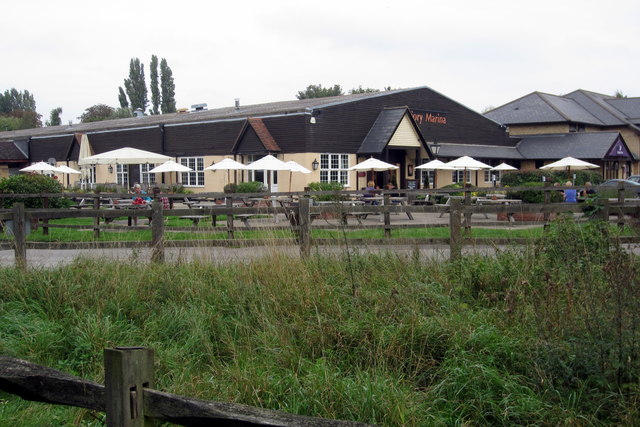
A birthday did not have to be extravagant to become a lasting memory. The writer of Diamond Geezer recalls birthday meals between 1990 and 1994, first at Scotsbridge Mill in Croxley Green and later in Norwich and at Priory Marina in Bedford. Soup, steak and profiteroles formed one birthday dinner; later favourites included pâté, mixed grill and chocolate fudge dream. A familiar restaurant could be the place you returned to as another year rolled round. Diamond Geezer ↗
The chain sometimes joined in with a birthday offer of its own. During its 35th anniversary in October 2009, a free-meal promotion covered customers whose birthdays fell between 12 and 18 October. In 2014, the fortieth birthday celebrations included Golden Tickets and family activities. A restaurant birthday and a customer birthday could meet in the same visit, adding a small extra reason to choose a familiar place. Oxford Times ↗ · Morning Advertiser ↗
Staff helped give those visits their character. In 2009 the Beefeater Grill refresh included black uniforms, alongside steak and wine training for front-of-house teams. The best remembered detail was often simpler than a uniform: somebody who knew the regulars or found the right table for a family. At the Warden, knowing staff by name was part of the writer’s father’s regular visits. Earlier uniform styles varied; we would love former staff to tell us what they wore. Morning Advertiser ↗ · Kavey Eats ↗
The duck, the water and the odd surprises
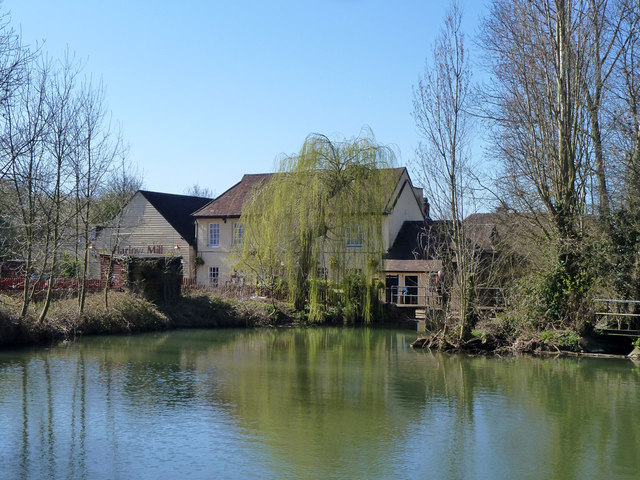
Duck could mean two quite different things in a Beefeater memory. Duck à l’orange appeared on the Heald Green menu in 1998, a very different order from the familiar steak and chips. Outside some riverside restaurants, the ducks were alive and enjoying the water. At Moor Mill, a 2015 visit found a stream beside the drive and ducks outside, with a working mill and a wishing well adding to the interest inside. Lindsey Wilkins, What’s Good To Do ↗ · Manchester Evening News ↗
There were other places where the room itself supplied the entertainment. Customers remembered a bridge and a wishing well at the Glegg Arms in Heswall during the 1980s. At Leeds’ Oakwood, former visitors recalled a children’s Grotto with cave-like walls. Those details belong to particular restaurants, but they explain why memories of a chain can be intensely local. One family remembers the water; another remembers the seat, the stairs or the corner where the children always wanted to go. Liverpool ECHO via Yahoo ↗ · Secret Leeds ↗
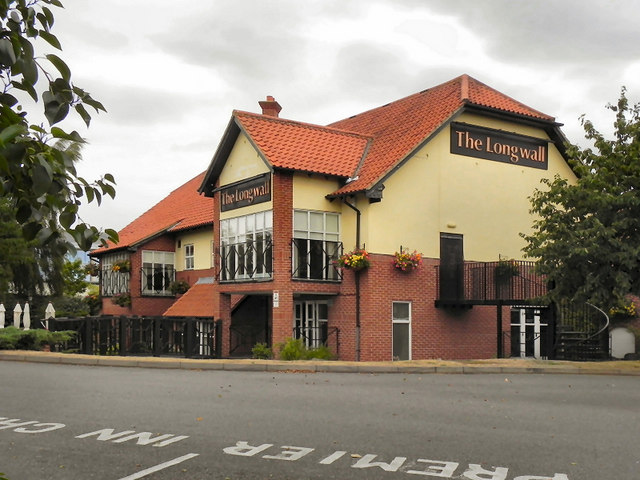
At the Longwall in Cowley, the surprise was motoring history. The restaurant opened on the former Rover works site in 1995 with car and factory memorabilia, later passed to a transport museum when the décor changed. A Beefeater could share its menu with branches across the country and still have a room that belonged recognisably to its own town. Those local touches made a convenient place to eat feel like somewhere you knew. Oxford Times ↗
The people behind the counter
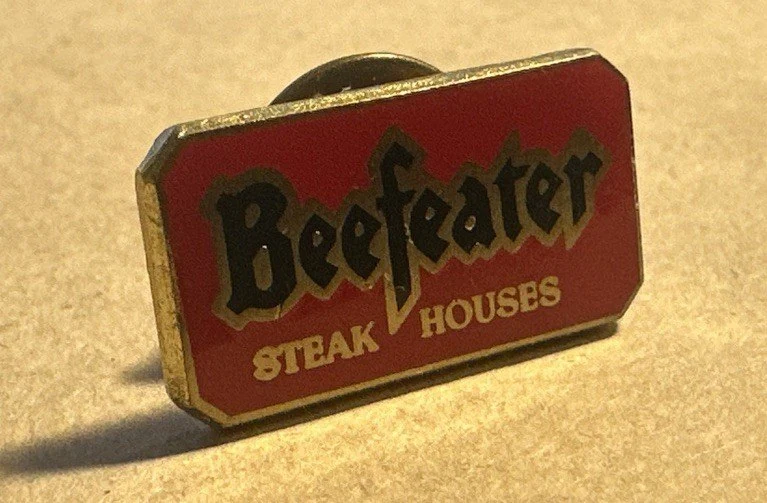
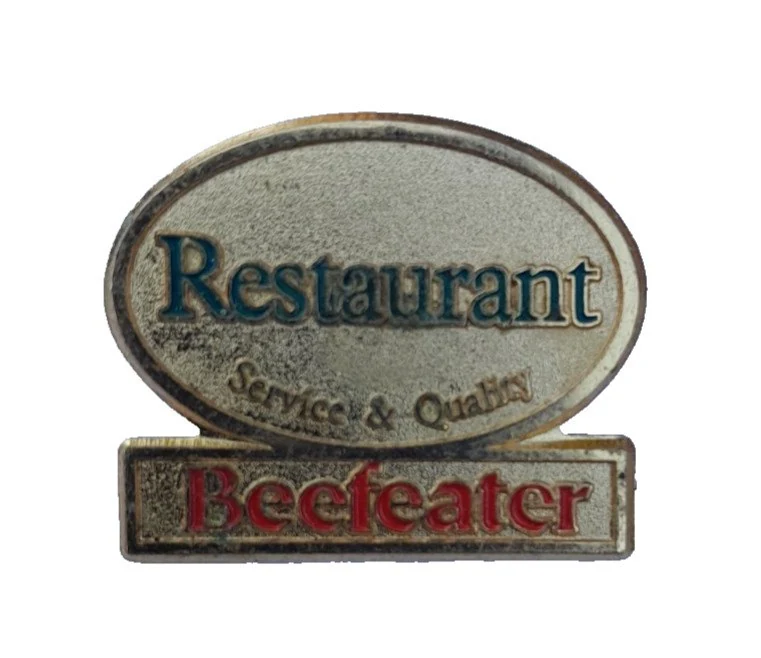
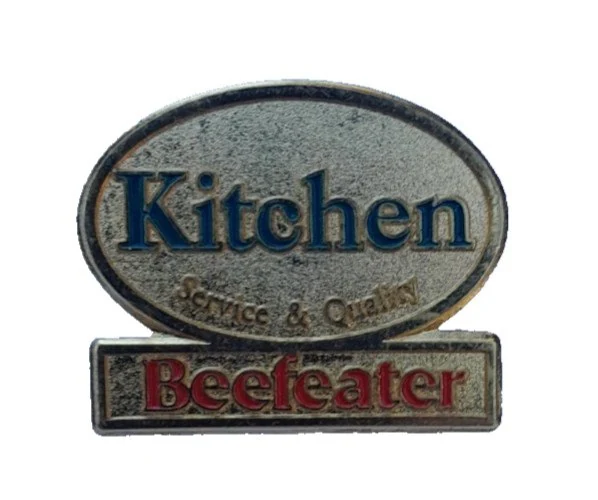
The people bringing plates to the table and working at the grill were part of a restaurant’s character. Their small badges leave another record of those jobs. The red ‘Beefeater Steak Houses’ pin is described by its seller as a 1970s badge; that date has not been independently confirmed. The supplied picture pack describes the ‘Restaurant, Service & Quality’ and ‘Kitchen, Service & Quality’ badges as 2000s examples. Their wording puts the dining room and kitchen alongside each other, with service and quality named on both. Supplied staff-badge photographs
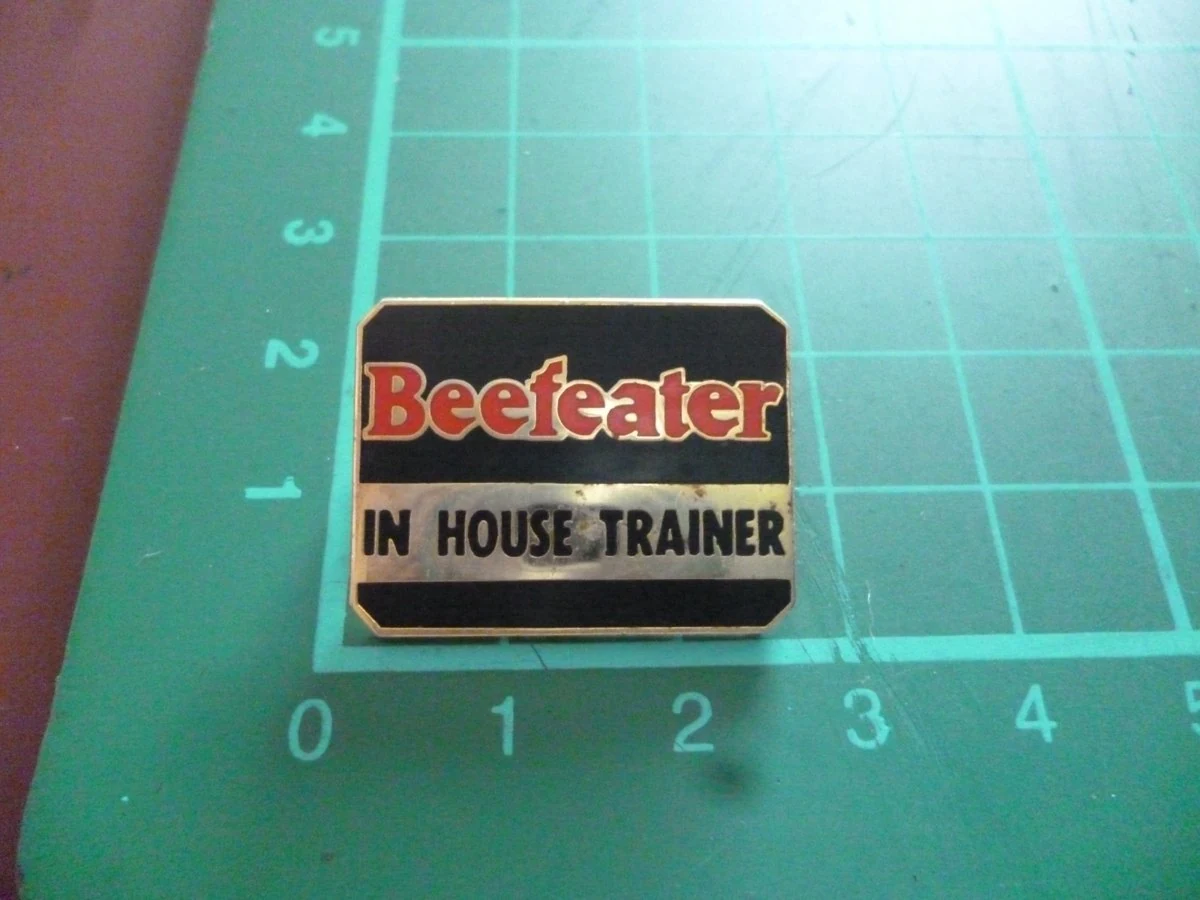
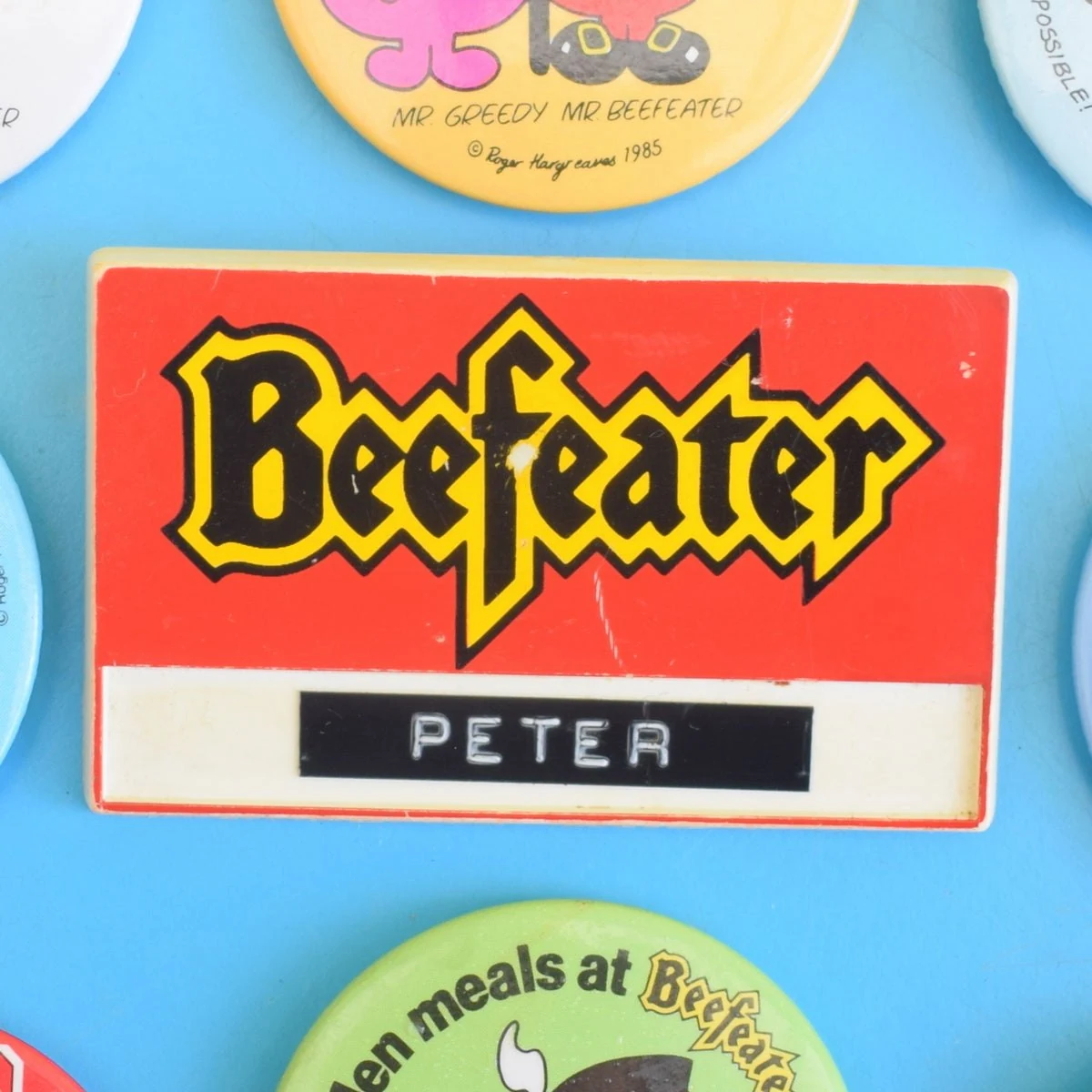
An ‘In House Trainer’ badge suggests a responsibility for helping colleagues learn, but the photograph does not date the badge or explain the course behind it. A staff name badge adds a more personal detail without telling us the wearer’s employment history. These objects should not be taken to mean that every branch used every design at the same time. Supplied staff-badge photographs
Training also appeared in the material customers saw. An October 2010 Beefeater Grill menu described a Steakmaster training programme and staff able to advise on cuts and cooking. A conversation about a steak could start before an order reached the kitchen: which cut to choose, how to have it cooked and what to put beside it. Beefeater Grill menu, October 2010 ↗
The dessert trolley and one last spoonful
For many people, pudding was the moment when a meal out became a proper treat. Richard Crampton Platt’s recollections include a dessert trolley carrying profiteroles, lemon meringue pie and rum baba with angelica and pouring cream. Tall Knickerbocker Glories also live on in customers’ memories. There was pleasure in seeing a dessert before choosing it, and in a pudding that looked much grander than an ordinary bowl at home. The Spectator ↗
Menus changed the names and choices over time. Diamond Geezer’s birthday meals moved from profiteroles to chocolate fudge dream, while late menus offered caramel apple Betty. Black Forest gâteau remained closely tied to people’s idea of the classic steakhouse dinner, even though the 1997 St Martin’s Tavern review found it missing from that particular menu. No single pudding list lasted for the whole life of the chain. Diamond Geezer ↗ · The Independent ↗
That is what makes these visits worth remembering in the round. The meal was a set of small experiences: finding your table, choosing a drink, helping a child with a menu, deciding on steak and still finding room for something sweet. Follow our family-meal article for the promotions and souvenirs, or the prices page to see what different menus cost. If your strongest memory is the bar, the trolley or a favourite member of staff, there is room for that story too. Kavey Eats ↗
Did you work at a Beefeater? Tell us about your restaurant and your job →